The sinking of the Titanic on its maiden voyage in 1912 has always deeply captivated the public. From Hollywood to literature to real life shipwreck hunters, there is no shortage of juicy scandal and controversy surrounding this tragedy. Therefore, it is no surprise that a missing submersible transporting wealthy tourists would be one of the top news stories last week. The saga ended with what most experts thought was an inevitable conclusion to the drama: a violent implosion (inward collapse) due to the repeated catastrophic forces placed on a structure ill-equipped to handle the great depths of the sea.
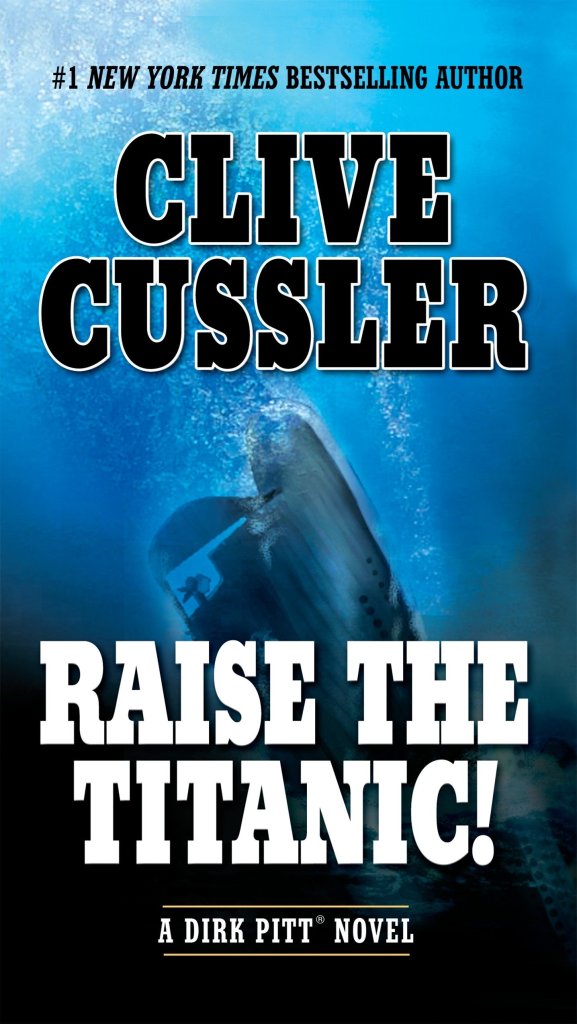
I couldn’t help thinking during all the news stories, why didn’t there exist a back-up vehicle in place that could investigate ASAP after the sub disappeared? Where was Dirk Pitt and NUMA, the fictional characters of Clive Cussler’s popular novels when you needed them? Dirk would have been rescuing the passengers of a survivable event within twenty-four hours, or had he been a passenger, he would have figured out how to strengthen the hull in time for rescue using duct tape and a paper clip. But life is never as fantastic as fiction, and those poor five souls suffered the consequences. James Cameron has since spoken out against the design of the doomed craft. Not just a Hollywood director, Cameron has extensive experience with deep sea exploration, helped design the submersible “Deepsea Challenger,” and is thus justified in his opinions against the experimental materials and design of the Titan submersible. He also is a wine enthusiast with good taste, as we saw him several times at our favorite Virginia winery before it shut down during the Pandemic.

If you have an inquisitive mind, and a taste for the morbid, you can read about what happens to the body during a catastrophic implosion here: https://www.insider.com/what-happens-when-submersible-submarine-implodes-2023-6. But speaking of catastrophic forces and the body… did you ever wonder how a woodpecker avoids brain injury pecking with such great force into a tree in its search for food, mates, and nest drilling? (Bet you wondered how I was going to bring birds into this! 🙂
A scientist at MIT, Lorna Gibson, investigated that question. She looked into the impact that decelerating forces had on the brain when the woodpecker pecks into a tree, similar to a car crash victim suddenly decelerating on impact with a stationary object. She found that the woodpecker’s smaller size brain, the caudal orientation (brain facing backwards), and the short duration of impact of each peck hitting at 15mph, allows the woodpecker to tolerate forces 64 times greater than a human without injury! Now that is impressive. Learn more here: https://academy.allaboutbirds.org/built-to-peck-how-woodpeckers-avoid-brain-injury/
Additional ways the woodpecker protects the brain: the hyoid bone anchoring the tongue wraps all the way around the skull, acting as a spring to extend the tongue out far to retrieve insects and sap and absorbing impact shock. Woodpeckers also have extra plates of spongy bone in their skulls that help distribute forces.

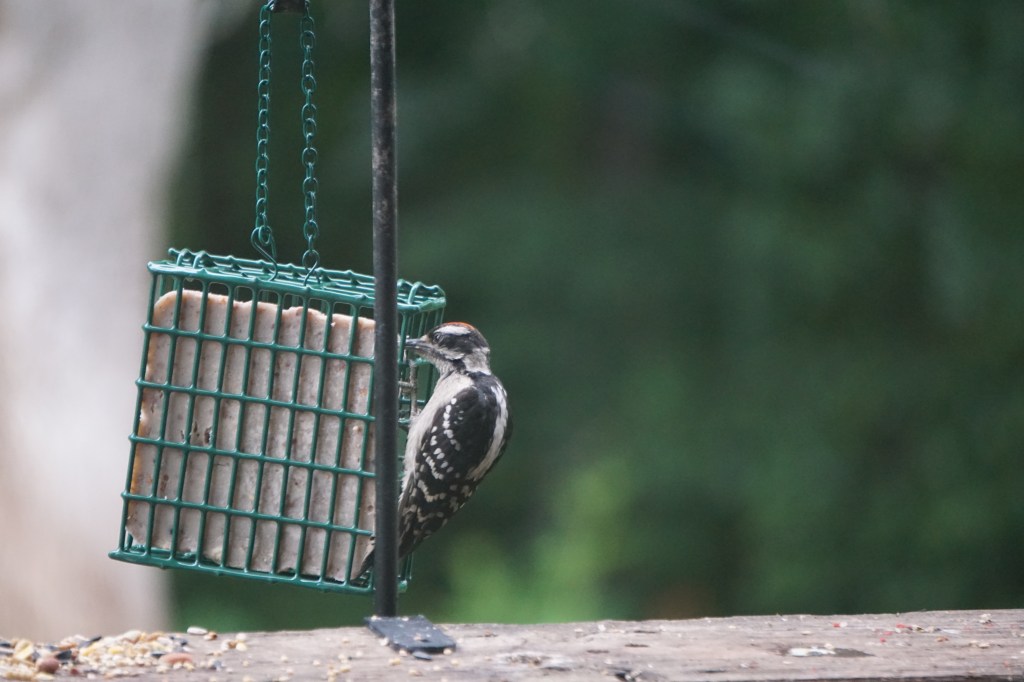
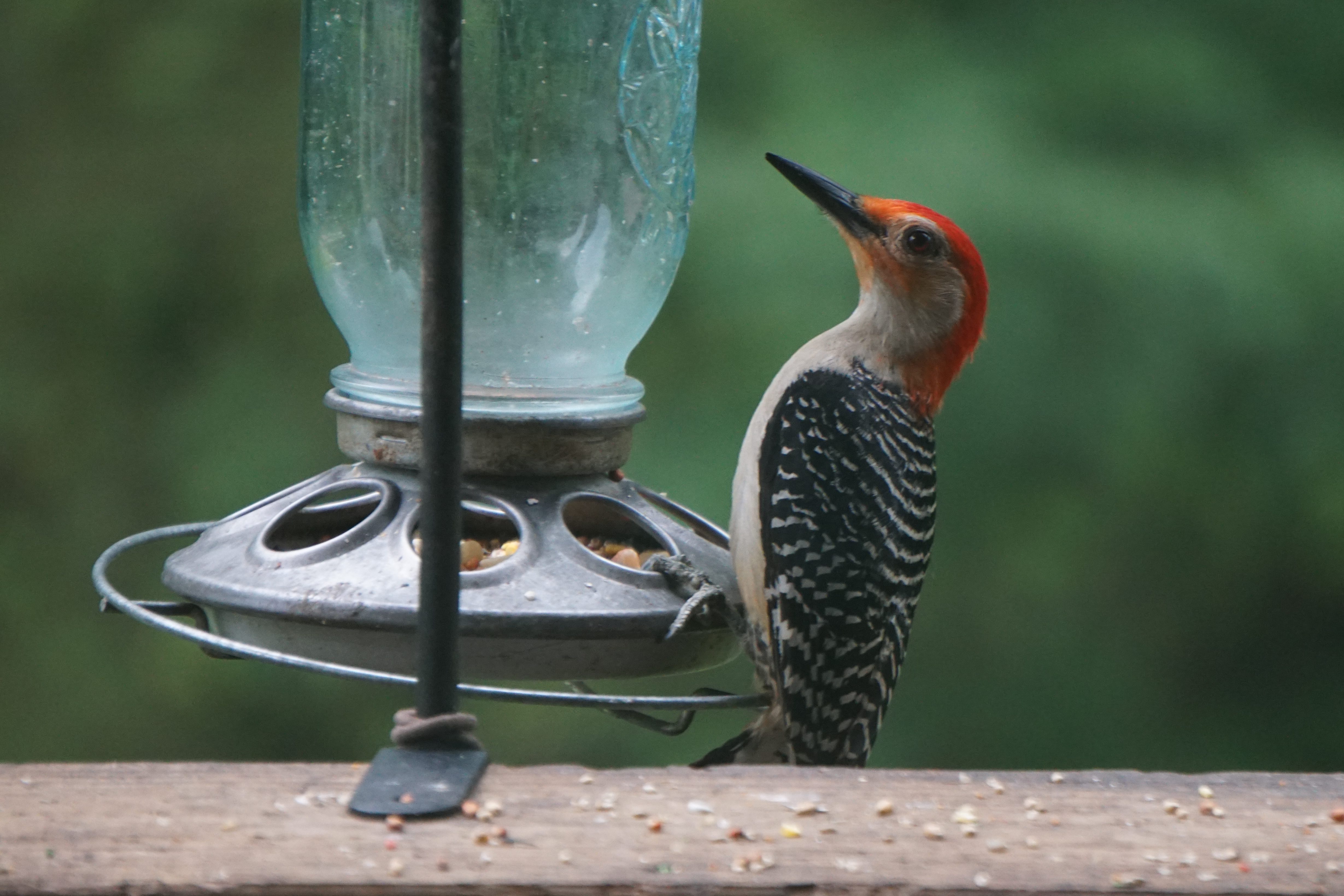
The red-bellied woodpecker seen here is a medium-sized woodpecker with black and white barring on its back and wings. It has a red cap which is complete in the male and incomplete covering only the neck in the female above. The juvenile lacks the red cap as is seen below.
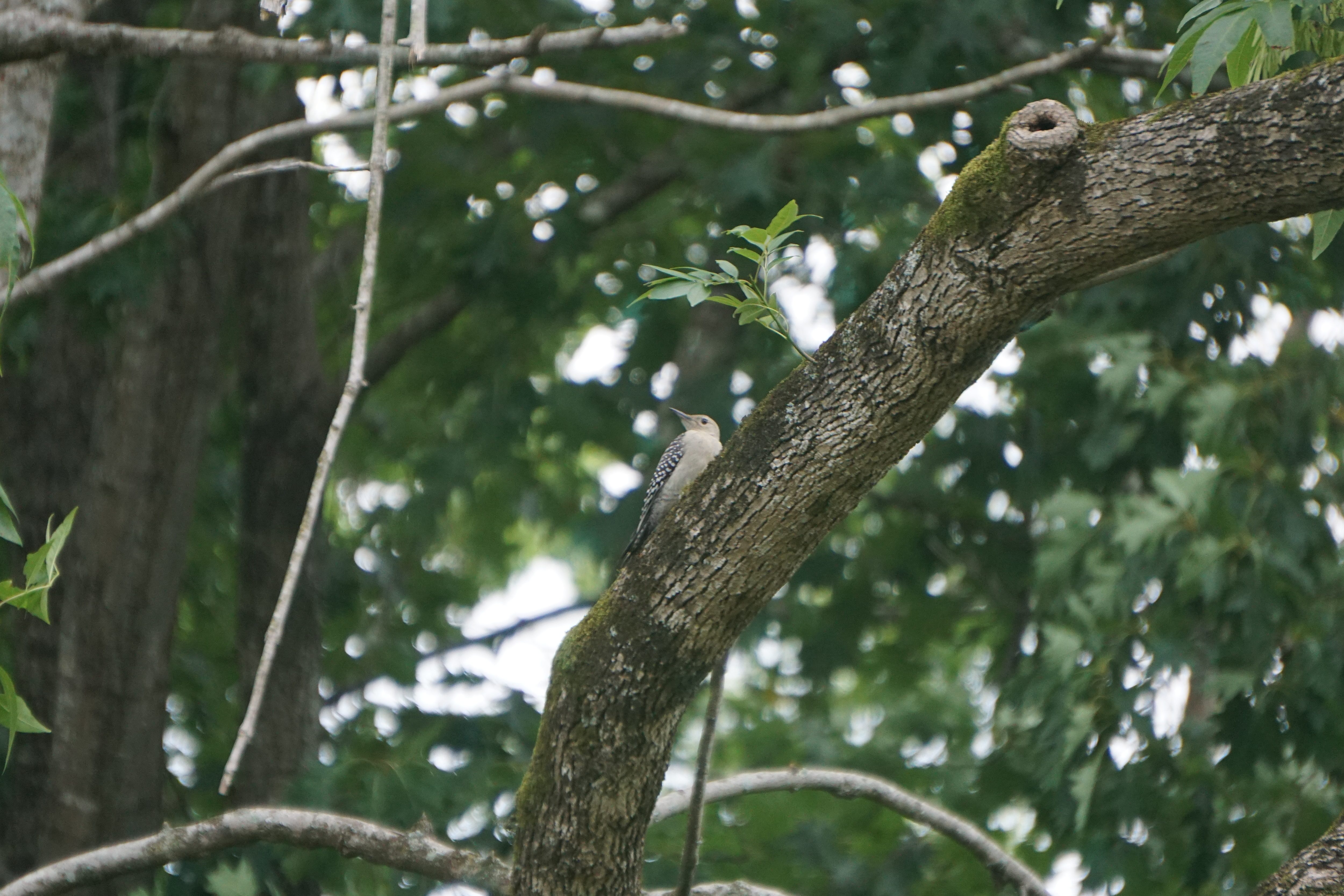
Despite the name, they often have very little red on their breast. This male is a handsome exception.

Back to whiskey and the early twentieth century: Shortly after the Titanic catastrophe, Prohibition went into effect in 1920 with the passage of the 18th amendment banning the manufacture, transportation and sale of alcohol. Illegal production (bootlegging), consumption, and secret venues called Speakeasies continued to flourish. A wealthy Boston banker sponsored a contest to come up with an epithet that would shame illegal drinkers out of their wicked ways. (As if!) At Harry’s New York Bar in Paris in 1924, the Scofflaw was born (think, Scoff-Law). The drink is historically made with rye whiskey, though of course bourbon could be easily substituted. You can use bottled grenadine such as Rose’s but for this particular cocktail I made a grenadine syrup by boiling Pom juice with sugar in a 1:1 ratio. I also like to use spiced cherry bitters in addition to the orange bitters.

Gather your ingredients: Rye whiskey (I used Ragnarok from Catoctin Creek in Virginia), Dry Vermouth, Grenadine syrup, Lemon, cherry and orange bitters (Woodford), cocktail or coupe glass, orange peel for garnish. Accessories: cocktail shaker, lemon squeezer, lemon peeler, jigger.
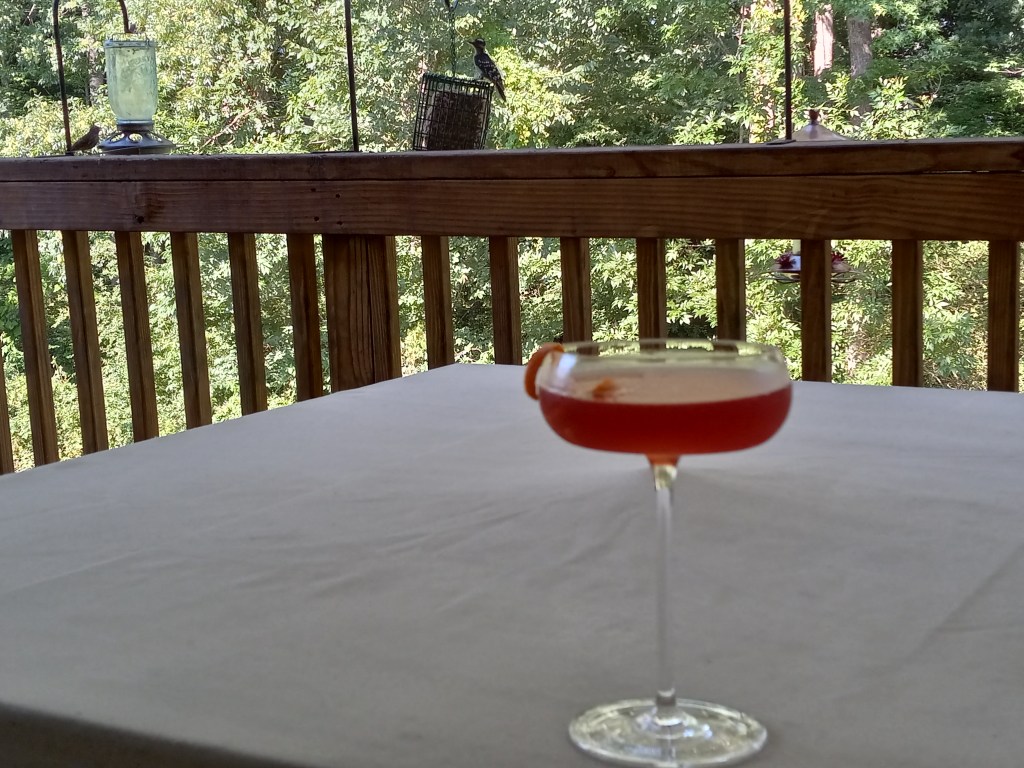
The Scofflaw
2oz Rye whiskey
1oz Dry Vermouth
1/2oz freshly squeezed lemon juice
1/2 oz grenadine
2 dashes each orange and cherry bitters
Place all the ingredients in cocktail shaker half-filled with ice. Shake for 15 seconds then pour into cocktail glass. Garnish with an orange peel.
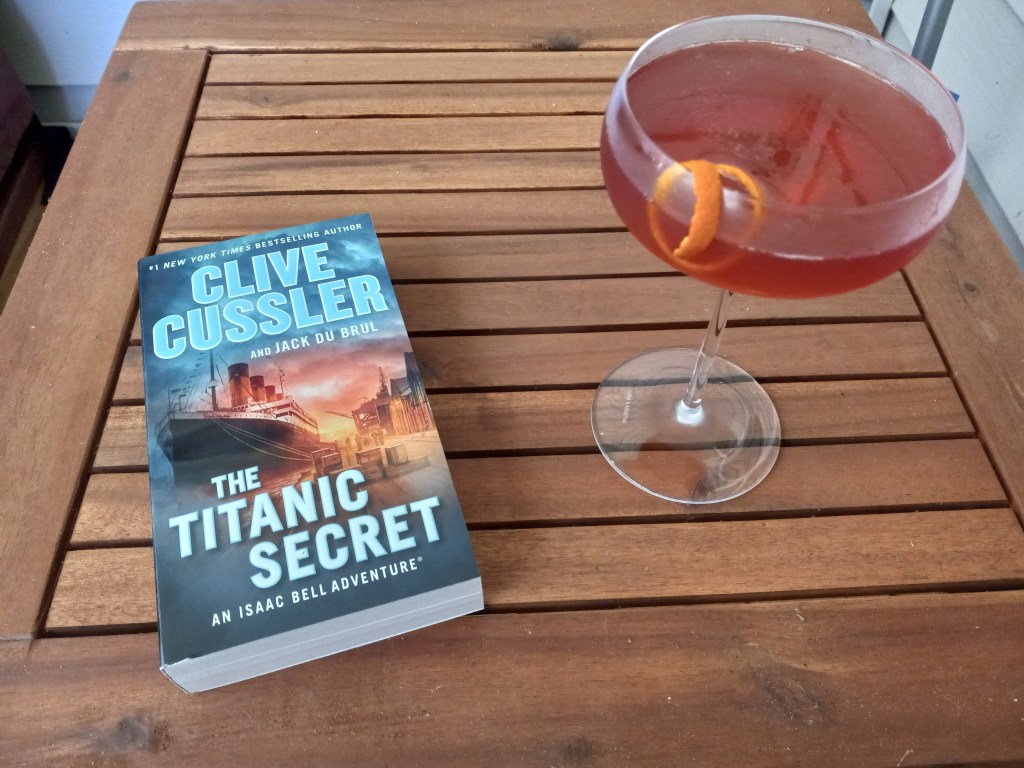
In Clive Cussler’s recent second novel about the doomed ship, “the Titanic Secret,” NUMA Director Dirk Pitt and detective Isaac Bell work a century apart to unlock the truth about the famous tragedy. Cussler’s fourth novel, Raise the Titanic! was seen earlier and would also be a good read here. Enjoy, remember to wear your life vest, and please, drink responsibly! 🙂

 Birds, Books and Bourbon